Certified organic garlic farm
Triple-certified, family-run garlic grown in volcanic soil at 3,300 ft in McArthur, California.

Welcome to Basaltic Farms
We started Basaltic Farms in 2018 after losing everything in the Tubbs Fire, and put our first garlic in the ground in late 2019. It has turned into something we never expected. Our farm sits at 3,300 ft in McArthur, California, where mineral-rich volcanic soil gives our garlic a flavor you will not find in a supermarket. We have learned that if you take care of the soil, the soil takes care of you.
We hold triple certification from CCOF, USDA Organic, and the Real Organic Project, which means inspections every year and zero synthetic chemicals. We are a small family farm, and every bulb is checked by hand before it ships, straight from us to kitchens and gardens across the country.
Our certifications
 CCOF Certified
 USDA Organic
 Real Organic Project
 Family Owned Since 2018
What is organic farming
It really comes down to one thing: healthy soil grows healthy plants. Our volcanic ground here in McArthur is naturally mineral-rich, but having minerals in the soil and getting plants to actually use them are two different things. It takes years of work, and we lean on cover-crop rotations and regular lab reports from Ward Laboratories to dial it in season after season.
We work with nature, not against it. No synthetic chemicals, no shortcuts, just good old-fashioned farming done right. If you are curious how we do it, our organic farming resources break down how cover crops and soil health make the difference. Our customers come back year after year because they can taste what real certified organic garlic is supposed to be.
Product categories
- Naturally grown products. We go beyond the basic organic standard, using cover crops, composting where it makes sense, and beneficial insects to build nutrient-rich garlic with zero synthetic inputs.
- Fall planting. Pre-orders open March 1 each year for fall-planting varieties, planted October through December. Zone-specific growing guides come with your order on request.
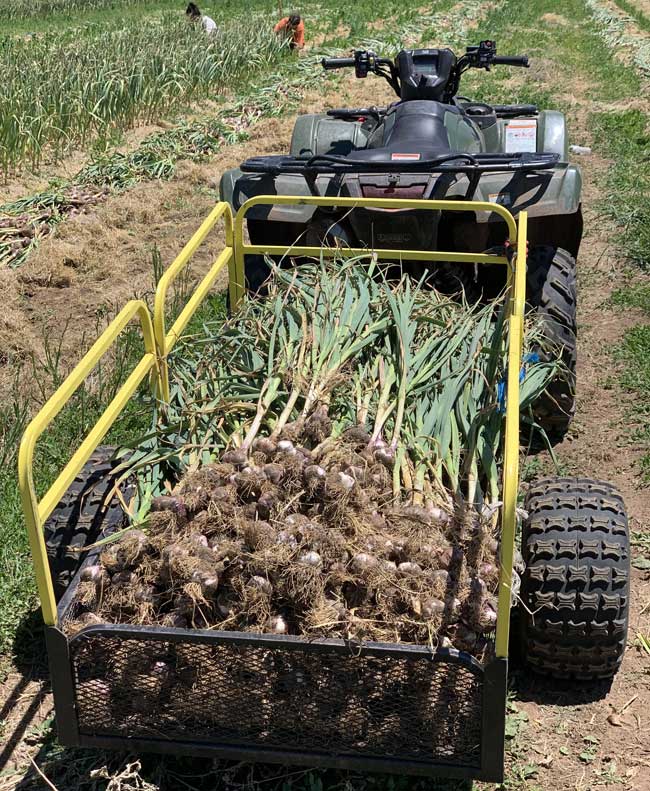
- California-grown produce. Everything ships directly from our farm. We handle every step, from harvesting to curing, cleaning, and packing. We are not Amazon, but we do our best with three full-time owners and seasonal help.
Find the right garlic for your garden
- Certified organic garlic. Our signature lineup of triple-certified varieties that thrive in volcanic soil, so the seed you plant is healthy and sets you up for an outstanding crop.
- Softneck garlic. Milder varieties that braid well and keep for 8 to 10 months when stored properly.
- Hardneck garlic. Bolder flavor, plus spring scapes as a bonus. They store for 4 to 6 months, and the flavor more than makes up for the shorter window.
- Heirloom eating garlic. Our varieties are heirloom types you will not find in big retail stores. There are hundreds of garlic varieties, each with its own story of origin, and you can read those histories on each variety's page.
- Heat-tolerant garlic. Softneck Artichoke types suited to warm climates. Our farm gives garlic a real winter and a hot, dry summer, so the seed you receive is ready to plant or eat.
Growing supplies
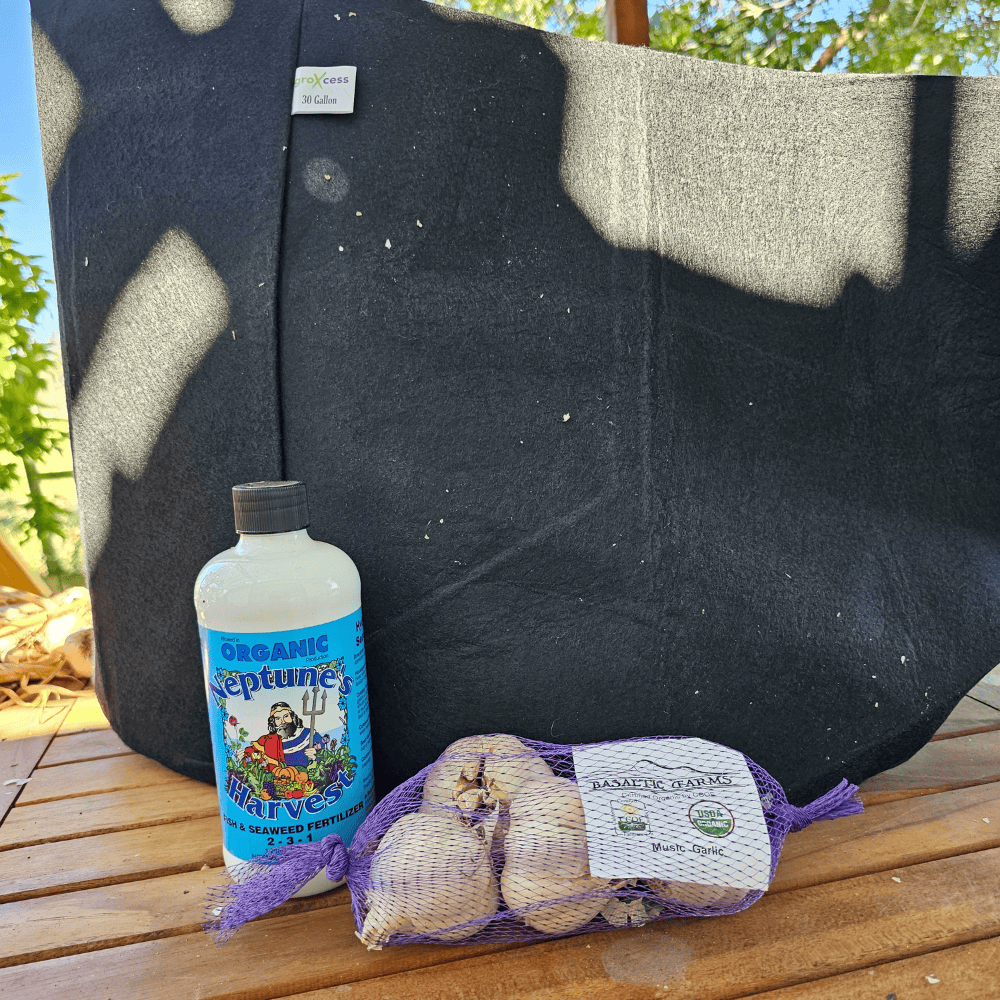
- Gardening supplies. Practical supplies and amendments for organic growing success.
- Plant and herb growing kits. Complete kits that help city and high-rise gardeners get growing.
Frequently asked questions about our organic garlic farm
Common questions about our certified organic garlic farm, grouped by topic.
About our farm & certifications
Why does Basaltic Farms have three certifications?
We hold CCOF (California Certified Organic Farmers), USDA Organic, and Real Organic Project certification. Each one means independent inspection and a real standard behind what we sell, so you can trust how the garlic was grown.
Can I visit the farm?
We welcome visitors by appointment, roughly March through early December. July and August is harvest, busy but a great time to see the work. We are happy to give a tour, and if we are harvesting we may put you to work. We also keep a small food forest whose produce, berries, and nuts sometimes show up in our on-site store; those are not sold online.
What makes your farming location special?
Our farm sits at 3,300 ft in McArthur, California, which gives us four true seasons. That cold winter matters for garlic: hardneck types need at least about 40 days of cold to vernalize, which deepens their flavor, and it is a big reason our garlic tastes the way it does.
Our garlic & varieties
How does volcanic soil affect garlic quality?
Working with soil scientists, we found our ground has a mineral profile that suits a lot of crops, and garlic in particular takes up those minerals and passes them on to you. Cover crops like mustard and buckwheat also help unlock the sulfur compounds that sharpen and define garlic's flavor.
How is your garlic different from store-bought?
Most supermarket garlic is imported and can be months old by the time it reaches you, often treated to keep it from sprouting and sometimes bleached for looks, with no way to know how it was grown. Ours is certified organic, grown without synthetic chemicals, harvested fresh, and shipped straight from our family to you. It is a different product, and you can taste it.
Which garlic variety should I choose?
Hardnecks like Music or Chesnok Red give you complex flavor and store about 4 to 6 months. Softnecks are milder and store longer, around 8 to 10 months. If you are in a warm climate, start with our heat-tolerant softneck varieties.
Ordering & pricing
When should I order from the farm?
Pre-orders open March 1 each year. Popular varieties like Music and Chesnok Red often sell out by July. Fresh garlic ships in September and continues until we sell out, so ordering early is the safest way to get the varieties you want.
Are bulk discounts available?
Yes. Discounts apply automatically as your order size grows, with the tiers shown on our pricing page. For large wholesale orders, reach out and we will sort out pricing with you directly.
Farming practices & storage
How does the farm practice regenerative farming?
We focus on improving the soil, not just holding it steady. We plant diverse cover crops, keep tillage to a minimum, add organic matter where it helps, and track soil health for certification. The aim is ground that gets better every year.
How should I store garlic for maximum shelf life?
Keep it cool (55 to 65 degrees), moderately humid, with good airflow. Avoid plastic bags and the refrigerator. Clay keepers, paper bags, or mesh containers all work. Stored well, softnecks last about 8 to 10 months and hardnecks about 4 to 6.
Taste the volcanic difference
Whether you are planting your garden or after incredible flavor in the kitchen, our certified organic garlic brings something special to the table. Each variety is chosen for our growing conditions. Open one to choose your size and Shipping now.
Chesnok Red Garlic
Inchelium Red Garlic
Sicilian Artichoke Garlic
Organic Heirloom Garlic Variety Pack
Red Toch Garlic
Music Garlic
Susanville Garlic
Thai Purple
Baby Garlic
Korean Mountain
Fair prices, exceptional quality
Family farm direct, no middleman markup. When you buy directly from us, you are supporting a real family farm and getting fresher garlic at better prices. No distribution centers, no corporate markup, just farm-direct quality.
Check our current pricing for every variety. Prices reflect the real cost of organic farming, and discounts apply automatically on larger orders.
- Packed with care, Monday through Friday
- Packed to travel safely, with full tracking on every order
- A personal note with growing tips in every box
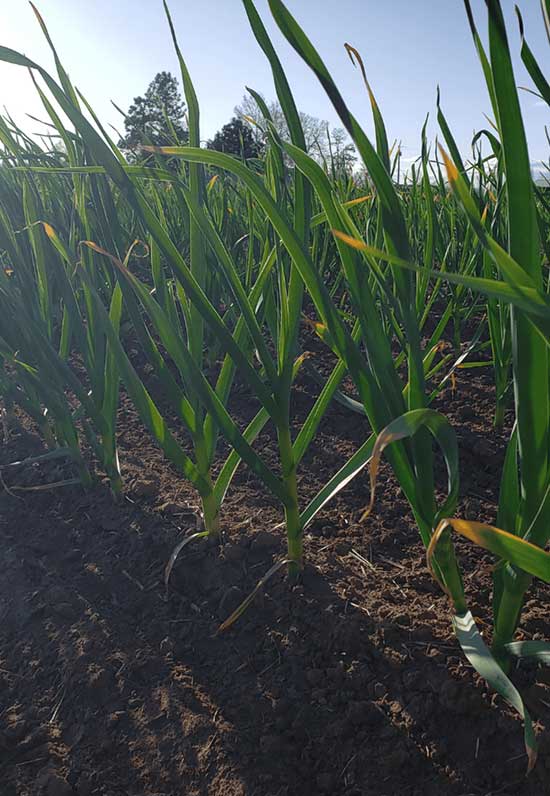
Let's grow together
Nothing beats the satisfaction of harvesting your own garlic. After years of growing in volcanic soil, I have learned what works and what does not, and I am glad to share it.
- YouTube. Watch us plant, grow, and harvest.
- Instagram. Daily farm life and tips.
- Facebook. Connect with other growers.
- TikTok. Short clips from the field.
Need exact quantities for your space? Our planting calculator takes the guesswork out of ordering.
More than a business story
Our path from the ashes of the Tubbs Fire to growing garlic in volcanic soil is about resilience, family, and finding purpose in the land.
- Volcanic soil you can taste.
- Personal support. I answer questions myself.
- Shipped straight from the farm, fresh.
- We make it right. If something is off, we fix it.
- A growing community of home gardeners and chefs across the country.
- Resilient roots. After losing our Santa Rosa home in the Tubbs Fire, we rebuilt with purpose.
What our customers say


Health benefits of garlic
Garlic has been valued as both a food and a traditional remedy for thousands of years, across nearly every culture that had access to it. Modern research has started to catch up with what people long suspected: garlic is one of the more nutrient-dense foods you can add to your diet. The compounds behind garlic's strong aroma and flavor are the same ones researchers study for potential health benefits.
- Natural allicin content. When garlic is crushed or chopped it produces allicin, the sulfur compound behind that unmistakable smell, and the focus of most of the research into garlic's health properties.
- A heart-healthy choice. Garlic has a long history of use in supporting cardiovascular wellness, and several studies have looked at its potential role in healthy cholesterol and blood pressure as part of a balanced diet.
- Antioxidant properties. Garlic contains compounds, including organosulfur compounds and flavonoids, that may help protect cells from oxidative stress.
- A traditional wellness food. Garlic has featured in folk-medicine traditions worldwide for centuries, from ancient Egyptian laborers to traditional Chinese medicine to European herbalism.
- Nutrient dense for its size. Garlic provides manganese, vitamin B6, vitamin C, selenium, and fiber, packing a surprising amount of nutrition into a small package.
Anecdotal and traditional: worth mentioning, not confirmed by science
Over the centuries garlic has picked up a reputation that goes well beyond what clinical studies confirm. The following are anecdotal or rooted in folk tradition, and are best taken for what they are: interesting stories, not medical advice.
- Ancient Egyptian builders were reportedly given daily garlic rations for strength and endurance while building the pyramids. When the supply was cut, workers allegedly staged one of the earliest recorded labor strikes.
- Roman soldiers and gladiators ate garlic before battle, believing it gave them courage and stamina. They called it "the stinking rose" and treated it as essential provisions.
- During both World Wars, garlic was used as a field antiseptic when medical supplies ran short. Soldiers applied crushed garlic to wounds to help prevent infection, a practice sometimes called "Russian penicillin."
- In traditional Chinese medicine, garlic has been used for respiratory and digestive complaints, and as a general tonic, for more than 2,000 years.
- Louis Pasteur documented garlic's antibacterial action in 1858, and some early physicians recommended garlic preparations for tuberculosis, though medicine has long since moved past those uses.
- Many gardeners and farmers, myself included, have noticed that garlic planted near other crops seems to help repel pests like aphids, spider mites, and Japanese beetles. That is not a human health claim, but it is worth noting that even other plants seem to benefit from having garlic around.
The FDA has not evaluated these statements. Garlic is not intended to diagnose, treat, cure, or prevent any disease. The anecdotal claims above are historical and traditional in nature and should not be taken as medical advice.
Nutrition information
Values for raw garlic per 100 g, the USDA FoodData Central reference amount (entry 169230).
Basic nutrition
- Calories149
- Total fat0.5 g
- Saturated fat0.09 g
- Cholesterol0 mg
- Sodium17 mg
- Total carbohydrate33.1 g
- Dietary fiber2.1 g
- Total sugars1 g
- Protein6.4 g
- Water contentabout 59% of weight
Vitamins
- Vitamin C31.2 mg 35% DV
- Vitamin B61.2 mg 73% DV
- Thiamin (B1)0.2 mg 17% DV
- Riboflavin (B2)0.11 mg 8% DV
- Niacin (B3)0.7 mg 4% DV
- Pantothenic acid (B5)0.6 mg 12% DV
- Folate (B9)3 mcg 1% DV
- Vitamin K1.7 mcg 1% DV
Minerals
- Calcium181 mg 14% DV
- Potassium401 mg 9% DV
- Phosphorus153 mg 12% DV
- Selenium14.2 mcg 26% DV
- Iron1.7 mg 9% DV
- Zinc1.2 mg 11% DV
- Copper0.3 mg 33% DV
- Magnesium25 mg 6% DV
- Manganese1.7 mg 73% DV
Special compounds
These are the compounds that make garlic unique among foods. They are not captured on a standard nutrition label, but they are the primary focus of garlic research.
- Alliin. The main sulfur compound in an intact garlic clove, and odorless on its own. Garlic contains roughly 8 g of alliin per kilogram of fresh weight, and dried garlic powder is about 1% alliin by weight.
- Allicin. Formed when garlic is crushed, chopped, or chewed, as the enzyme alliinase converts alliin into allicin. It is responsible for garlic's distinctive smell and is the compound most studied for potential health benefits. A single fresh clove yields roughly 4 to 5 mg of allicin, which accounts for about 70 to 80% of garlic's total bioactive sulfur compounds.
- Diallyl disulfide (DADS). One of the primary breakdown products of allicin. Oil-soluble, and the most abundant compound in steam-distilled garlic oil.
- Diallyl trisulfide (DATS). Another allicin derivative, often found alongside DADS in garlic preparations.
- Diallyl sulfide (DAS). The simplest allyl sulfide compound in garlic.
- Ajoene. Formed when allicin breaks down in the presence of oil or organic solvents. Named for the Spanish word for garlic, "ajo."
- S-allyl cysteine (SAC). A water-soluble organosulfur compound found mainly in aged garlic, with nearly complete bioavailability after oral intake in pharmacokinetic studies.
- Vinyldithiins. Cyclic sulfur compounds formed from allicin breakdown, found mainly in oil-based garlic preparations.
Sources: USDA FoodData Central (entry 169230), the Linus Pauling Institute at Oregon State University, and PMC / National Library of Medicine.